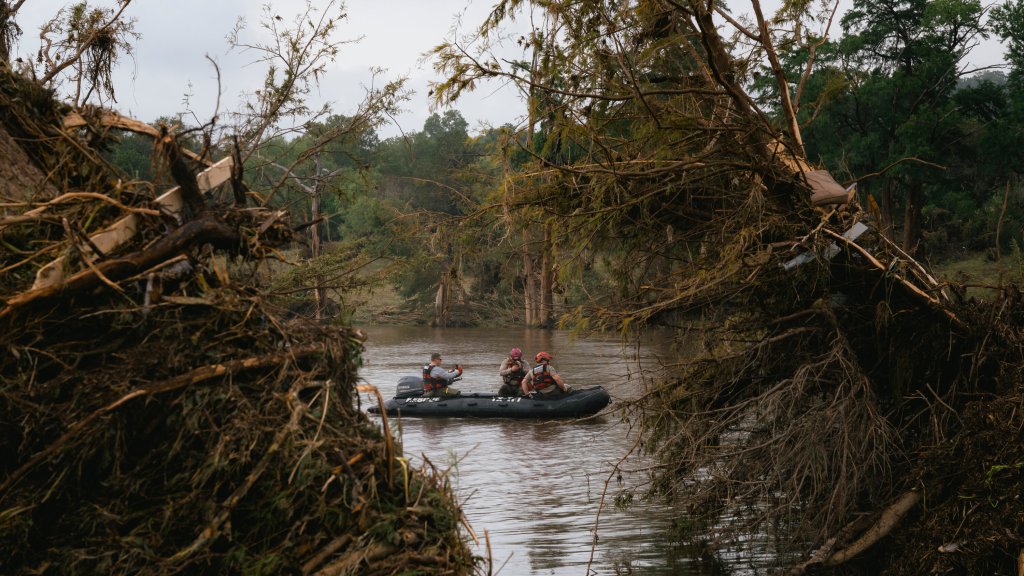
The evidence is clear: deadly floods are becoming more frequent and severe.
Floods have always been a natural part of Earth’s hydrological cycle, but recent years have seen a dramatic increase in their frequency, intensity, and devastation. Scientists warn that deadly floods may no longer be rare disasters but a recurring reality: a “new normal” driven by climate change, urbanization, and environmental degradation.
The Climate Change Connection
Rising global temperatures, fueled by greenhouse gas emissions, are intensifying the water cycle. Warmer air holds more moisture, leading to heavier rainfall during storms. Extreme precipitation events have increased by about 7% for every 1°C of global warming.
Additionally, melting glaciers and polar ice contribute to rising sea levels, increasing the risk of coastal flooding. Low-lying regions, from Bangladesh to Miami, are already experiencing more frequent inundation.
Human Factors Worsening the Impact
- Urbanization & Poor Infrastructure – Cities with impermeable concrete surfaces prevent water absorption, causing rapid runoff that overwhelms drainage systems.
- Deforestation & Wetland Loss – Natural barriers like forests and wetlands absorb floodwaters, but their destruction leaves regions vulnerable.
- River Engineering & Levee Failures – Artificial levees can sometimes worsen floods by redirecting water into unprepared areas.
A Growing Trend
- Pakistan (2022) – Unprecedented monsoon rains submerged a third of the country, affecting 33 million people.
- Germany & Belgium (2021) – Flash floods killed over 220 people, with scientists confirming climate change made the event up to 9 times more likely.
- United States (Hurricane Harvey, 2017) – Houston saw 60 inches of rain, a 1-in-1,000-year event that may become more common.
- United States (Texas Deadly Floods, July 2025) – More than 100 are dead and dozens more remain missing after flash floods in the parched area known as Texas Hill Country
Conclusion
The evidence is clear: deadly floods are becoming more frequent and severe. Without urgent action to curb emissions and adapt infrastructure, these disasters will define the coming decades. The choice is no longer between prevention and response: it is between resilience and catastrophe.
Michel Ouellette JMD, ll.l., ll.m.
Continuity Strategist

JMD Live ONLINE BUSINESS CONSULTING, a division of King Global Earth and Environmental Sciences Corporation
X: jmdlive
Email: jmdlive@live.ca
Web: https://jmichaeldennis.live
Michel Ouellette / J. Michael Dennis, is a Former Attorney, a Trial Scientist, a Crisis & Reputation Management Expert, a Public Affairs & Corporate Communications Specialist, a Warrior for Common Sense and Free Speech.
 J. Michael Dennis ll.l., ll.m. Live
Leave a comment